
Passport verification has been added to the Scottish Government’s secure, single sign-in digital identity service – as it was revealed there are now 900,000 users of the service across the country.
ScotAccount, which is now live across 10 government services, provides a single log-in to access public services online, including the health and social care app, MyCare, disclosure checks and legal aid.
With the introduction of passport verification, users can enter their passport numbers and expiry dates which can be checked against HM Passport Office records.
If the passport is valid, users will then be asked to take a picture of their photo page and selfie for identity verification, as part of standard biometric and document security checks, which can be completed in under five minutes.
“Our recent introduction of HM Passport Office (HMPO) verification to ScotAccount gives people an additional secure and trusted way to verify their identity,” says David Duncan-Fraser, ScotAccount Service Owner at the Scottish Government in a new blog post.
“ScotAccount is helping to reduce barriers that can prevent people from accessing online services by widening the range of verification capabilities we support. This creates a more inclusive experience by recognising that people have different circumstances, different forms of identification, and different levels of digital engagement. A more flexible approach helps ensure that more people can access services in a way that works for them.”
Passport verification may be particularly beneficial for younger people, who sometimes struggle to prove their identity online, for various reasons including lack of financial history.
And it can bolster efforts to thwart fraud and error.
Duncan-Fraser adds: “For organisations already using ScotAccount – and those considering its adoption – the introduction of HMPO verification has demonstrated how expanding identity verification can improve inclusion. We are applying those lessons more widely, exploring how information from official documents can be validated against authoritative sources to make identity verification simpler, and more reliable to further protect against fraud and error.”
ScotAccount does not retain any personal documentation or images. They are fully deleted as soon as the check completes and the user is then asked if they want to save their identity for re-use before they continue back to the public service, such as Disclosure Scotland, COPFS Witness Gateway or MyCare.scot.
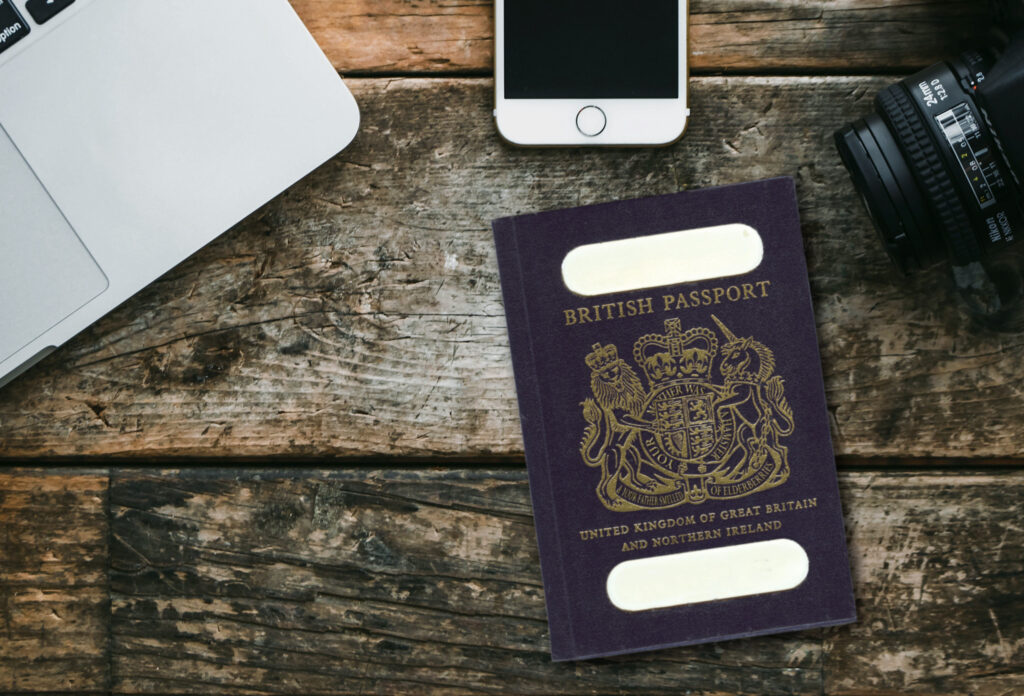
Photograph: British passport produced by the French” by Brett Jordan, CC BY 2.0