
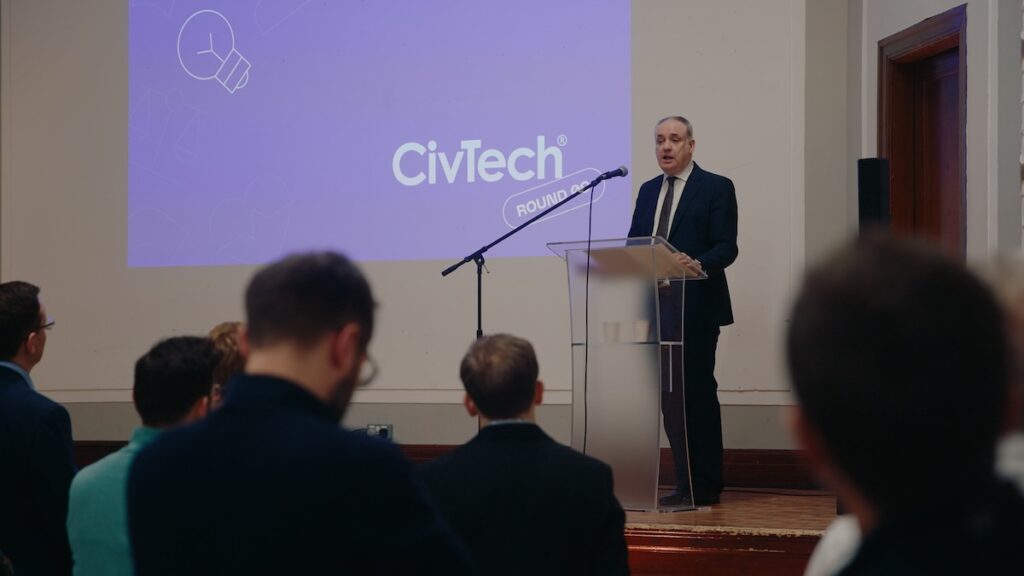
Technology is being sought to unlock the economic and cultural potential of Gaelic as part of the Scottish Government’s latest ‘CivTech’ round.
Round 11 of CivTech – the national innovation accelerator for the public sector – was unveiled today with a range of ‘challenges’ including the focus on addressing the ‘data sparsity’ of Gaelic.
Other challenges to feature in this year’s programme include reducing teacher workload and improving living and working conditions for people living with musculoskeletal conditions such as arthritis.
Entrepreneurs and companies selected to enter CivTech 11 will have the opportunity to develop their concepts on CivTech’s world class accelerator and secure contracts to turn their solutions into full commercial products.
More than 100 companies have passed through the Accelerator phase of CivTech since it launched in 2016, with more than 400 jobs and every pound of public investment leveraging five times as much in private funding.
Business Minister Richard Lochhead said: “Innovation is the backbone of our economy and our society. Where there are problems and challenges, there are solutions to be harnessed by tapping into the creativity and ingenuity of the start-up community and capitalising on rapidly-evolving technology such as AI.
“Now in its tenth year, CivTech has had a hugely positive impact on public sector services and beyond, with solutions ranging from a digital communication roll-out that could save the taxpayer £100 million a year, to products and services improving lives and prospects across healthcare, education and key front-line services.
“Success rates for the companies and products developed are very high with some 80% of the products created through the programme in use, far surpassing the average private sector accelerator rates. I look forward to another round of the programme continuing to revolutionise our public services while giving our brightest business minds the support and encouragement to develop their business ideas.”