
NHS Grampian is leading work on a drone ‘blueprint’ that could help patients in remote and rural Scotland get faster access to medical supplies, diagnostics and emergency care.
The board’s ‘innovation hub’ is developing the guidance with the Scottish Ambulance Service (SAS) and the Highlands and Islands Transport Partnership (HITRANS).
The project, called Flight Path to Trust, is backed by the Department for Transport and the University of Birmingham’s Future Flight Social Insight research programme and is intended to help the health service and other public bodies use drones where road links are slow or unreliable.
The guidance sets out the practical steps service providers need to take to make sure drone systems are safe and secure, and that the public trusts them. It also covers what public sector organisations should consider before they engage with aviation suppliers. The partners say this should leave public services better placed to take the technology forward, and help the UK benefit from the economic opportunities of the sector.
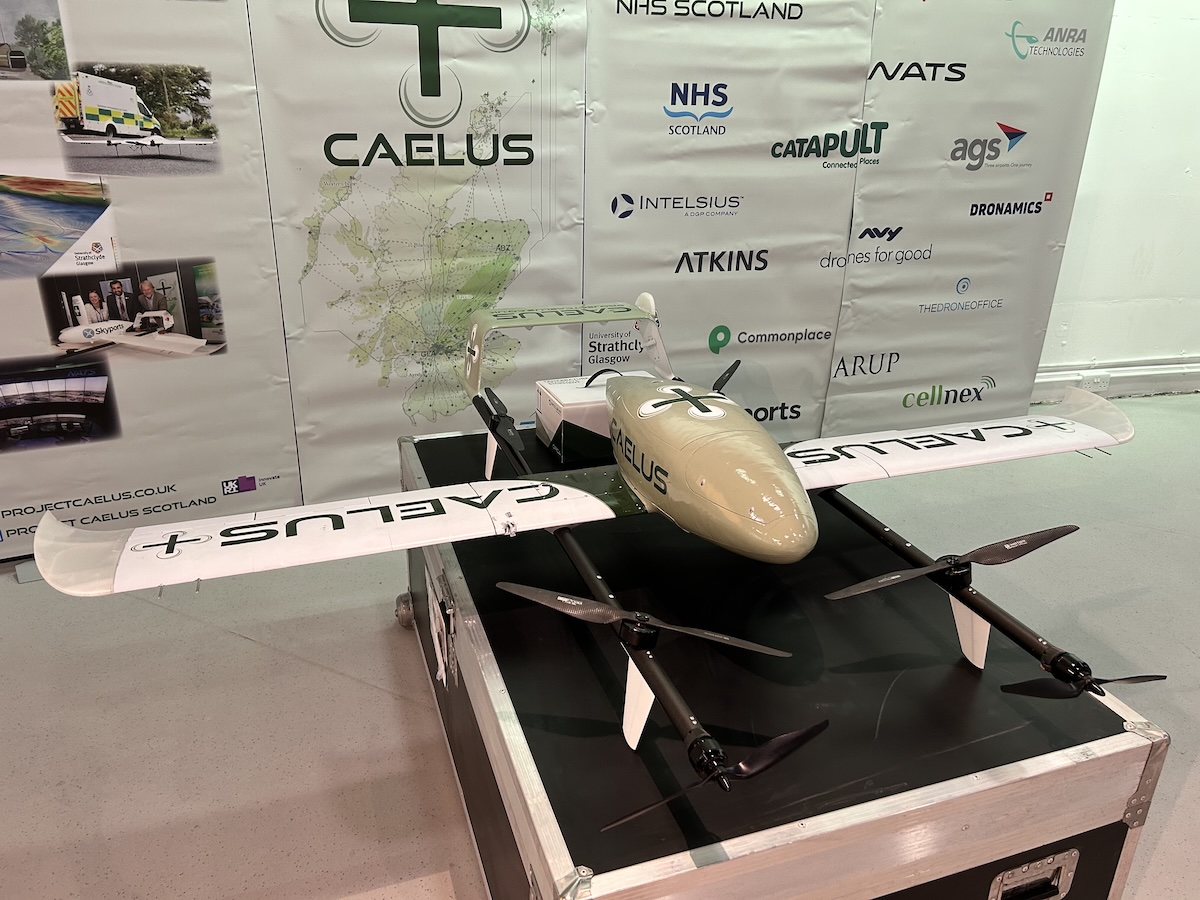
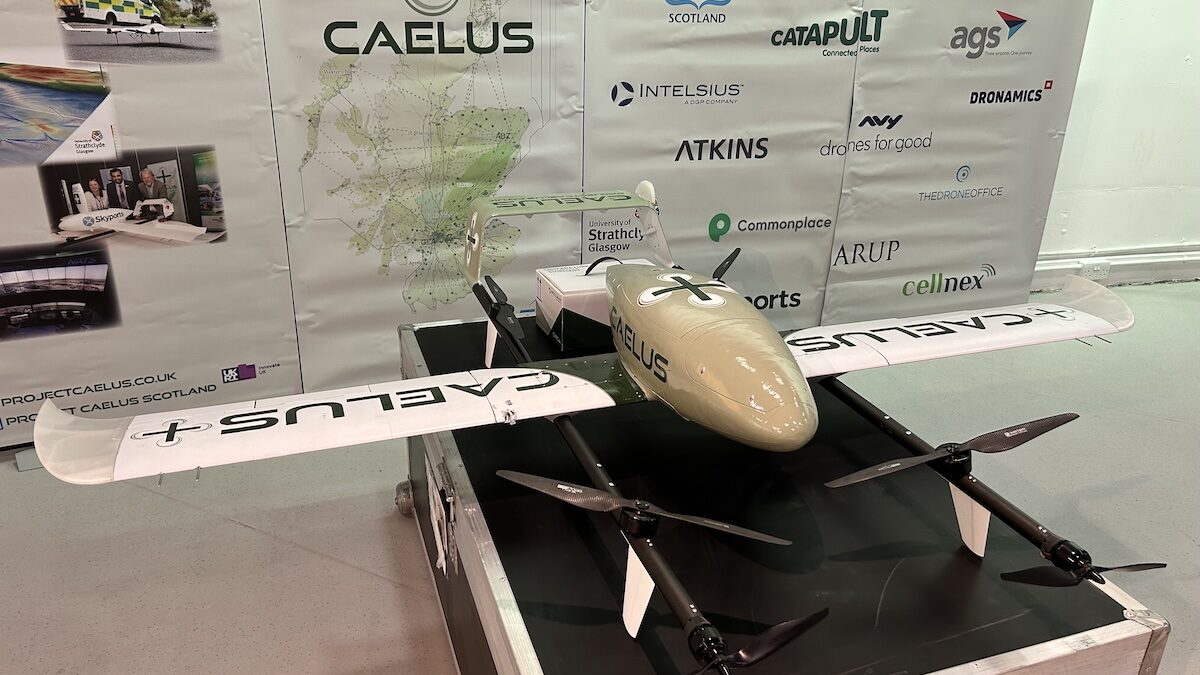
The work builds on what the board learned from earlier trials. These include CAELUS, the AGS Airports-led consortium for which NHS Grampian was the lead NHS Scotland board, and the HITRANS-run Sustainable Aviation Test Environment (SATE) in Orkney. Both showed that drones could offer faster and more flexible transport for emergency care and medical supplies in remote and rural areas.
Dr Andy Keen, clinical director of innovation at NHS Grampian, said: “Flight Path to Trust represents an important step in helping health services understand how emerging drone technologies can be safely, ethically, and effectively embedded into the delivery of high quality healthcare. Our collaborative approach is shaping practical guidance that will support services across the country make informed decisions about future adoption as this technology evolves.
“By enabling faster access to critical supplies, diagnostics and specialist support, this technology has the potential to save lives and help patients get the care they need more quickly. This can, in turn, improve health outcomes and reduce longstanding inequities in how care is delivered.”
Moving samples, medicines and equipment around is especially hard for health services covering remote and rural areas. Drones could give NHS and ambulance staff another way to move items quickly between sites, alongside existing road transport.
Other Scottish boards have also tested the idea, including NHS Tayside, whose on-demand drone service in Angus carried medical supplies to and from Dundee. Beyond better links between healthcare facilities, the partners believe drones could eventually help redesign services so more care is delivered closer to people’s homes.
NHS Grampian draws up drone ‘blueprint’ to boost remote and rural care