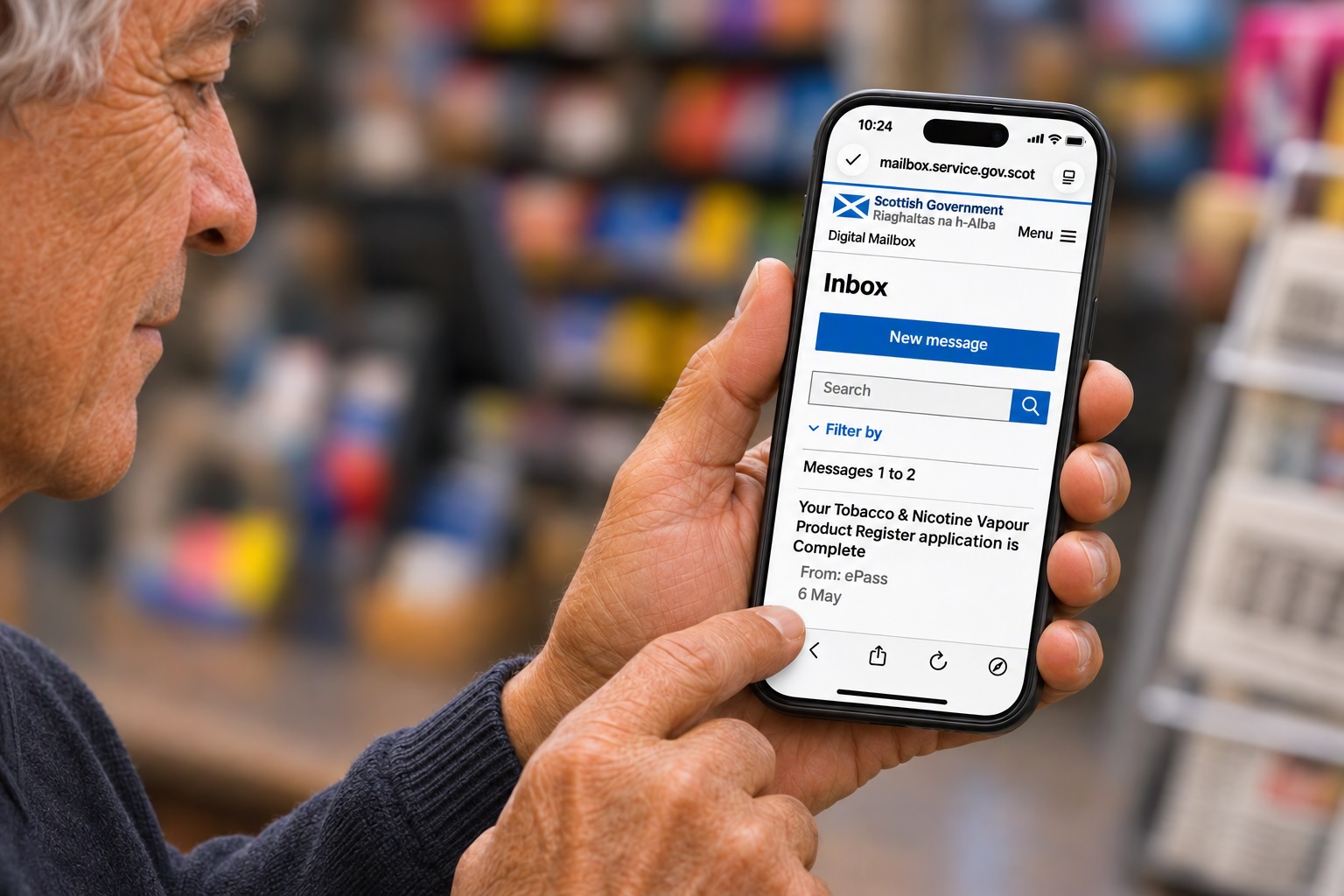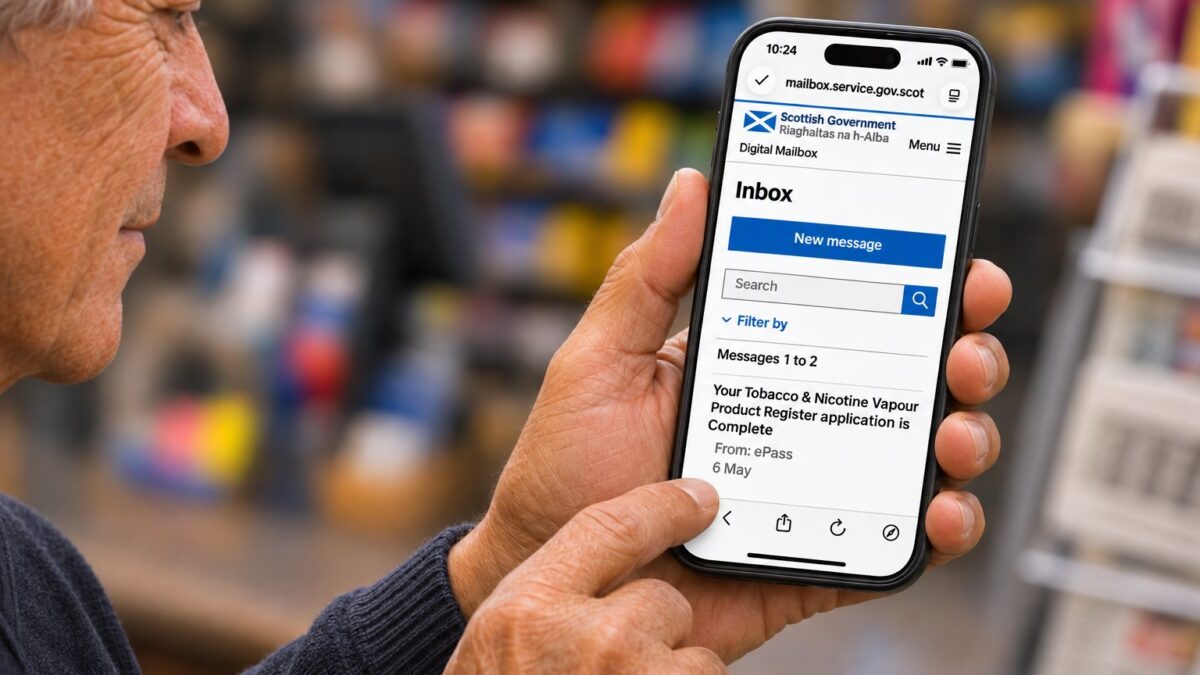

Citizens in Scotland can now start to receive and deal with communications from public services in one secure online ‘digital mailbox’.
The Scottish Government service aims to give people “a secure place to receive important communications from public services”, according to Carley Mace, Digital Mailbox Service Owner at the Scottish Government. Over time, users will also be able to respond to requests, complete forms and track their interactions without switching between systems or channels.
Writing on the Scottish Government’s digital blog, Mace said people increasingly expect dealing with the public sector to be as seamless as dealing with their bank or a retailer.
She was clear that the launch will be gradual. “We’re starting with a limited roll out,” she said. Not every communication or feature will be available straight away, and the mailbox will grow as more public services join.
Mace stressed that security has been central to the design. “It is critical that public sector messages are secure, especially as AI identifies more vulnerabilities in legacy systems,” she said.
At its core is a secure mailbox for messages between citizens and public services. People will be able to complete forms, provide information and make payments directly from a message, and keep their past correspondence in one place.
Users will also choose how they are notified about new messages. The mailbox will be available through both the mygov.scot app and website.
People will also need a verified ScotAccount to get into the mailbox. Anyone using the mygov.scot app can also use their device’s own security controls for quick repeat access, with security and monitoring for the platform are provided by a central team.
For public bodies, the mailbox offers a way to send secure messages, collect information through embedded forms, share data, manage appointments and support complete service journeys.
Because it is a shared platform, integrated with ScotAccount, mygov.scot, payment services and notification tools, organisations will not need to build their own versions, which reduces duplication across the public sector.
Moving from paper to digital communications could also cut administrative effort, costs and waste, and help meet sustainability goals. The blog does not put a figure on savings and notes that the scale of the benefits will vary.
The service was shaped by Denmark’s Digital Post, which sends more than 250 million messages a year.
But Mace said the lesson from Denmark goes beyond software. “The key lesson from Denmark is not simply the technology itself,” she said. Its real value, she added, is giving people a consistent and trusted way to deal with public services.
Scottish Government begins limited roll-out of secure 'digital mailbox' for citizens