
Healthcare organisations are under constant pressure to do more with limited resources. While attention is often focused on major digital programmes and clinical technologies, many of the challenges affecting efficiency occur within everyday operational processes.
Across NHS organisations, thousands of items move between departments, sites and staff members every week. These can include laptops, mobile devices, scanners, diagnostic equipment, access cards, keys, clinical peripherals, replacement hardware, repaired equipment, uniforms, pharmacy items, documentation and internal deliveries. Every movement requires a secure and reliable handover process.
Traditionally, these exchanges have relied on manual coordination. Staff are required to arrange collection times, manage returns, verify recipients and maintain records. While seemingly routine, these activities can consume significant amounts of time for IT teams, facilities departments, clinical engineering teams, workforce services and administrative staff.
As healthcare organisations continue to modernise operations and embrace digital transformation, many are identifying automated drop-off and collection processes as an opportunity to improve efficiency, strengthen accountability and enhance the experience for healthcare staff.
The Hidden Challenge Behind Everyday Handovers
In a busy healthcare environment, timing matters.
A newly recruited staff member may need access to equipment before their first shift. A clinician may require a replacement laptop following a fault. A device sent for repair needs to be returned promptly to minimise disruption. Facilities teams may need to distribute access cards to staff working across multiple locations.
When these processes depend on staff availability or office opening hours, delays can occur. Administrative effort increases, and valuable time is diverted away from higher-priority activities.
For organisations operating across multiple sites, the challenge becomes even greater. Teams require a secure and scalable approach that provides flexibility while maintaining visibility and control.
Creating a More Flexible Healthcare Workplace
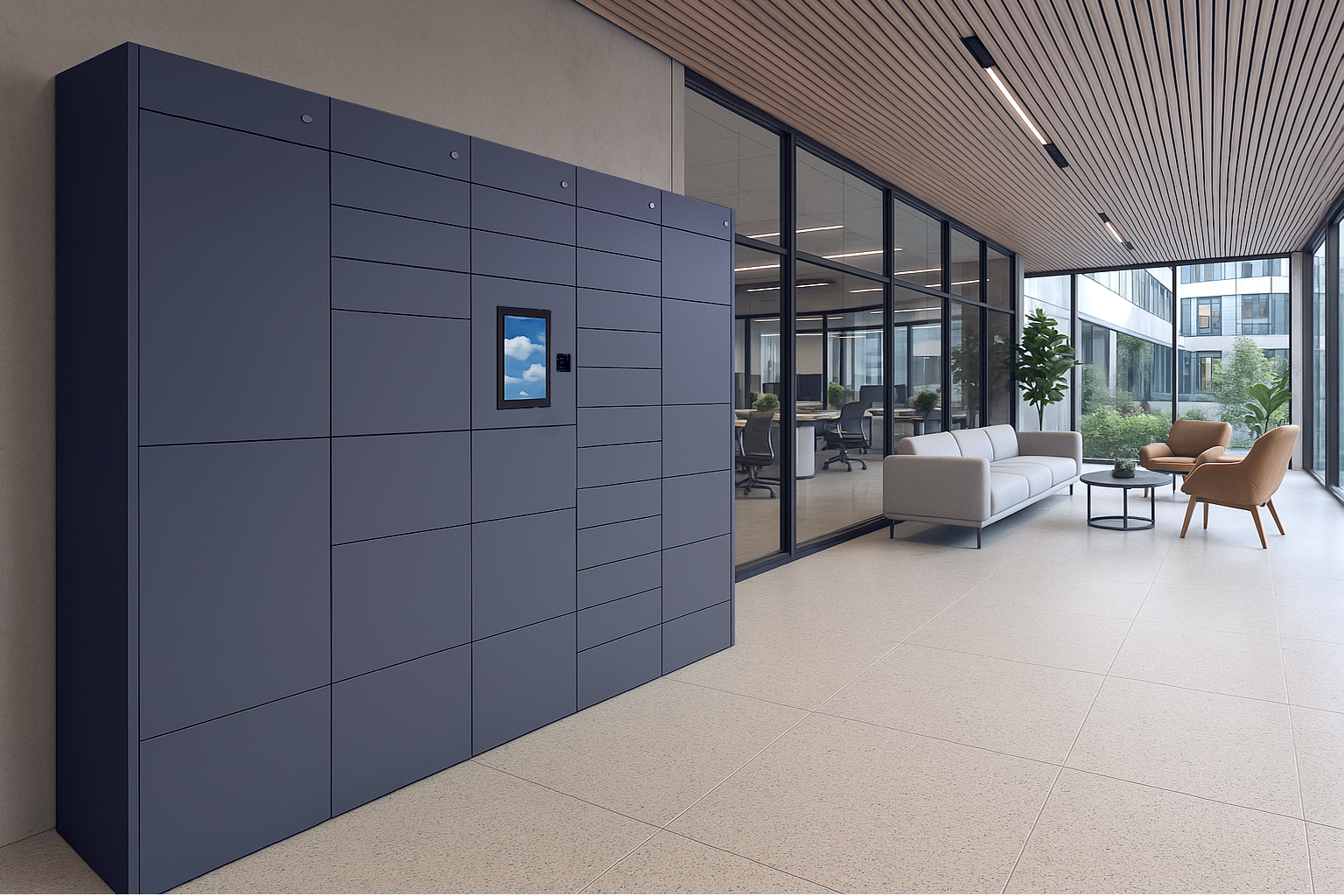
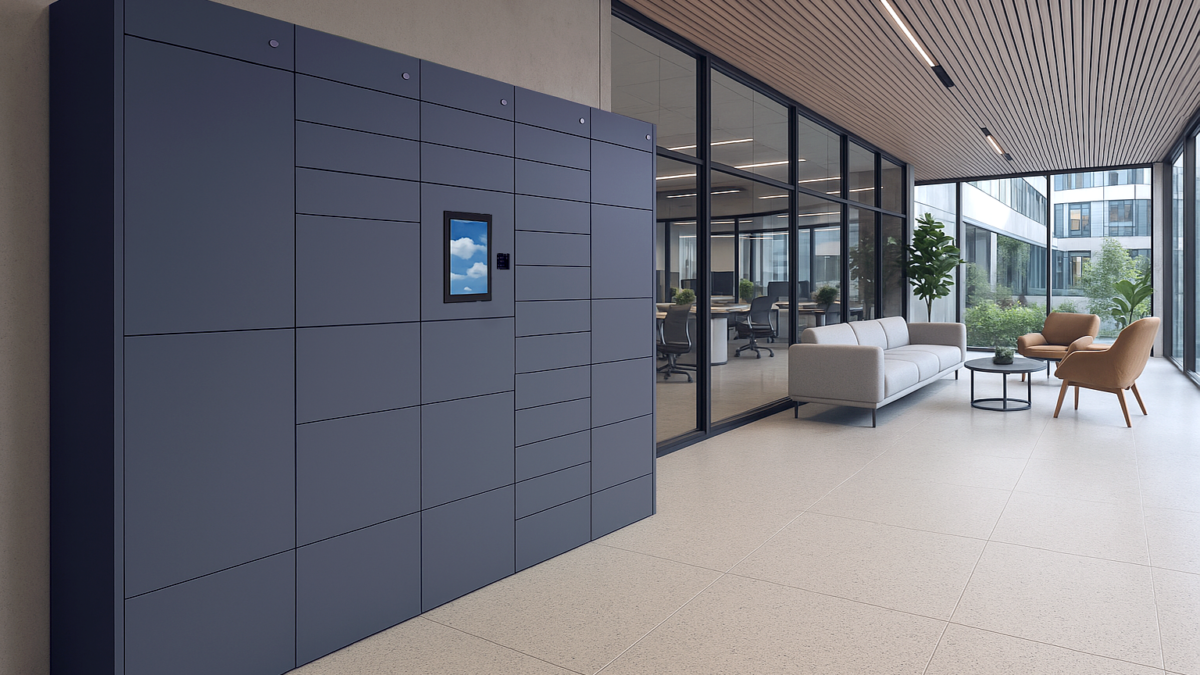
Automated Drop-Off & Collection Lockers provide healthcare organisations with a secure self-service solution for managing the delivery, collection and return of items.
Instead of arranging meetings or collection windows, authorised users receive a notification when their item is available. They can then collect it at a time that fits around their working day, including outside traditional office hours.
This flexibility is particularly valuable within healthcare environments where shift working, extended service hours and multiple site locations are common.
Whether collecting a replacement device, accessing equipment for a project, returning items for repair or collecting onboarding resources, staff can complete the process quickly and independently.
By removing unnecessary administrative touchpoints, organisations can create a smoother experience for both users and support teams.
Improving Security and Accountability
Security remains a critical consideration for healthcare organisations.
From technology assets and clinical devices to sensitive documentation and access credentials, organisations need confidence that items are reaching authorised recipients.
Smart collection solutions help address this challenge through secure access controls and automated verification processes. Items remain securely stored until collection by the intended user, while comprehensive audit trails record every interaction.
Administrators can see who accessed an item, when it was collected and when it was returned. This creates greater transparency and accountability while helping organisations meet governance and compliance requirements.
Real-time monitoring also enables teams to maintain visibility across assets, collections and returns without relying on manual record keeping.
Supporting NHS Digital Transformation Goals
Digital transformation is often associated with large-scale technology investments. However, some of the most meaningful improvements come from removing friction from everyday processes.
Automating drop-off and collection workflows can help healthcare organisations:
- Reduce administrative workload
- Improve staff productivity
- Enhance user experience
- Increase asset visibility
- Strengthen governance and accountability
- Support hybrid and flexible working models
- Improve utilisation of existing resources
By giving staff 24/7 access to equipment and resources, organisations can help reduce delays and improve operational responsiveness.
For NHS IT and operational teams, this means less time spent coordinating collections and more time focused on supporting frontline services.
Integration, Visibility and Control
Modern healthcare organisations require solutions that work within existing operational ecosystems.
Through integration capabilities and centralised management, administrators can monitor locker activity remotely, manage user access, track item movements and generate detailed audit reports.
Automated notifications ensure users are informed when items are available, while configurable collection windows help prevent assets from remaining uncollected for extended periods.
Advanced solutions can also incorporate AI-driven verification capabilities, providing an additional layer of confidence that the correct item has been deposited or collected without the need for manual checking or asset tagging.
The result is a process that is not only more efficient but also more accurate and easier to manage at scale.
Proven Within Healthcare Environments
As healthcare organisations continue to explore new ways to improve operational efficiency, automated collection technologies are already demonstrating their value in real-world NHS settings.
LapSafe® solutions are deployed across a range of healthcare environments, including installations at two locations within NHS National Services Scotland (NSS), now Public Services Delivery Scotland. These deployments highlight the growing recognition that secure, automated handover processes can play an important role in supporting modern healthcare operations.
By reducing reliance on manual processes and enabling secure self-service access to equipment and resources, organisations can create services that are both more efficient and more resilient.
Looking Beyond the Locker
Ultimately, automated drop-off and collection is not simply about storage. It is about transforming the way healthcare organisations manage everyday transactions.
When staff can access what they need quickly, securely and independently, support teams are freed from repetitive administrative tasks, operational processes become more efficient, and healthcare organisations are better positioned to focus resources where they deliver the greatest value: supporting patient care.
As NHS organisations continue their digital transformation journey, smarter drop-off and collection solutions offer a practical, proven and scalable way to improve efficiency, strengthen accountability and create a better experience for staff across the healthcare workforce.