
Across the public sector, we often hear about digital transformation. New systems are introduced, services become more digital and we’re encouraged to make better use of data. Organisations hope these changes will improve outcomes, make limited resources go further and meet the public’s increasing expectations.
One lesson keeps emerging: technology alone does not create transformation. Many digital programmes struggle because organisations underestimate the human and organisational changes required to make services work in practice. Successful transformation depends on understanding people’s needs, designing around real experiences and building capability to work differently.
This is where service design comes in. Through a focus on people, it connects technology, policy and operational delivery. Combining user research, systems thinking, collaboration and continuous improvement, it helps create solutions that are both digitally enabled and human centred.
In our work with organisations across the public sector, we’ve seen service design shift from a specialist discipline to a core organisational capability.
Digital transformation is a people challenge
Public services often approach transformation through the lens of technology procurement, implementation and adoption. While these elements matter, real transformation happens when people across an organisation develop the skills, confidence and mindset needed to improve services continuously.
Frontline staff are central to this process. They understand how services are experienced and how policy decisions play out in practice, yet they are often excluded from shaping transformation. Building service design capability changes that dynamic.
When practitioners learn skills such as user research, journey mapping and insight gathering, they become active contributors to transformation rather than passive recipients of change. They are better equipped to identify opportunities, challenge assumptions and ensure digital services meet genuine user needs.
Turning insight into action
A powerful example comes from Dumfries and Galloway Council’s Fairer Futures programme, which invested in developing service design capability among frontline practitioners working with families experiencing poverty and disadvantage. Rather than relying on external experts to define solutions, they worked with us to build practical design skills that staff could be apply in their daily work.
This generated richer insight into how people experience services and the complexity behind a single presenting issue.
As one practitioner reflected:
“When people say poverty, you just think it’s a financial thing but it’s a lot more than that. It’s housing issues, trauma, health problems, transport, childcare, confidence, isolation… among other things.”
This work reinforced that services are rarely experienced in isolation. People’s challenges cut across organisational boundaries and service areas. Understanding these experiences is essential if digital investment is to improve outcomes rather than simply digitise existing problems.
Designing with people, not for people
Digital transformation is most effective when people are involved in shaping the services they use.
Too often, we’re asked to help organisations gather feedback after key decisions have already been made. Service design encourages a different approach, one that places engagement and collaboration at the heart of service improvement.
Within Fairer Futures, practitioners found that building trust was fundamental to developing meaningful insight:
“It’s about building trust first rather than asking someone to share everything with someone they don’t even know.”
Through this work, we saw that meaningful insight develops through conversations, relationships, and trust. When organisations take the time to understand people’s experiences before making decisions, they’re better equipped to design services that meet real needs and avoid costly assumptions.
For those leading digital transformation, the challenge is not just creating better interfaces or introducing new technology. It’s about understanding people’s circumstances, behaviours and needs, then designing services that work in the context of their lives. When organisations design with people rather than for them, they make better-informed decisions and create services that deliver lasting value.
Breaking down organisational silos
Many of the challenges facing public services today span organisational boundaries. People rarely experience services in the neat way organisations are structured. Citizens seeking support may interact with local government, healthcare providers, education services, third sector organisations, and national agencies as part of a single journey.
Through our work, we’ve seen how difficult it can be to improve these experiences when organisations focus only on their own services and systems. Service design helps create a shared language for collaboration, enabling teams from different disciplines and organisations to work together around common goals and user needs.
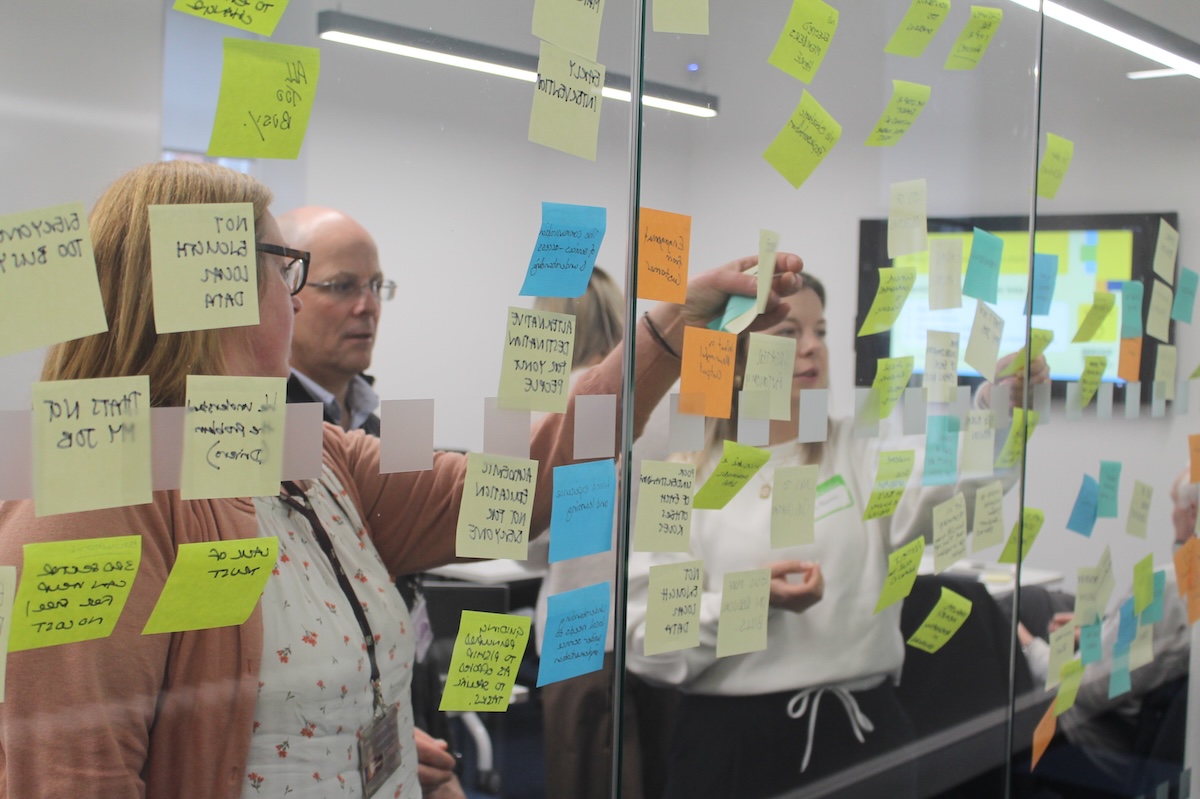
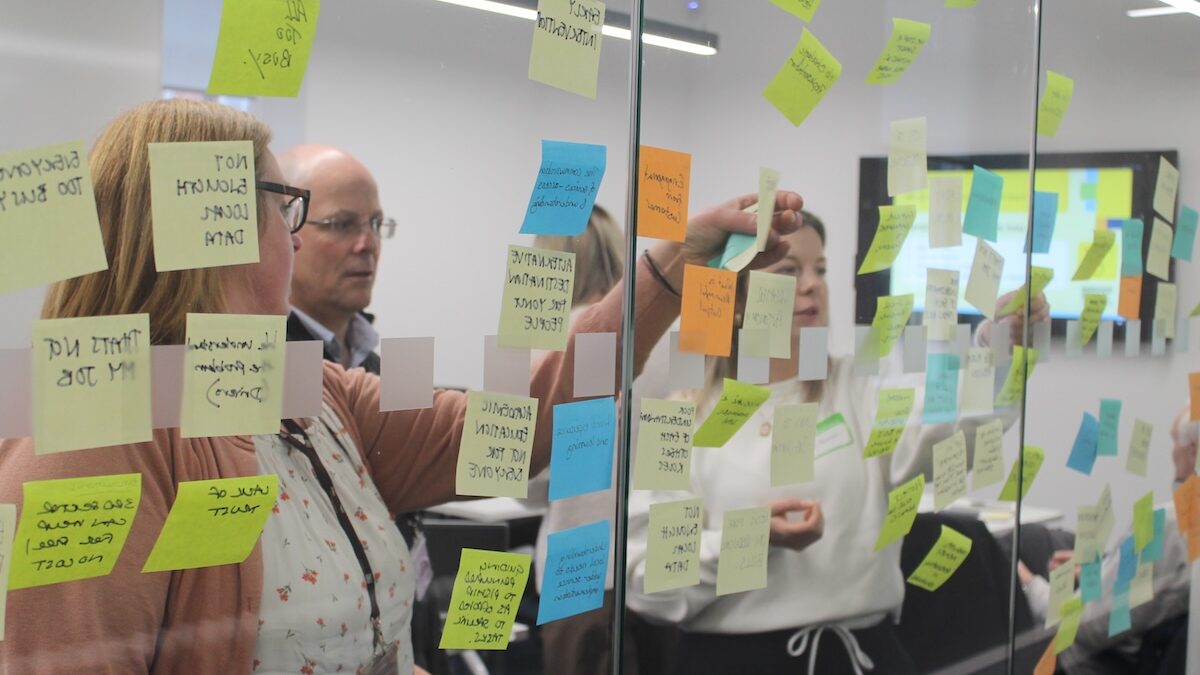
The Fairer Futures programme demonstrated how building design capability can change mindsets as well as methods. Practitioners looked beyond their own roles and considered how organisations could work together to improve outcomes. Rather than focusing on barriers, conversations increasingly centred on possibilities.
Teams described a shift from saying:
“That doesn’t work.”
to asking:
“How can we support?”
This was one of the most significant changes we observed: a shift in mindset. As practitioners become more curious about people’s experiences and more open to working across organisational boundaries, new opportunities for collaboration began to emerge. This move from judgement to curiosity is valuable in digital transformation programmes, where collaboration across disciplines is essential.
Building a transformation-ready workforce
Technology will continue to evolve. Artificial intelligence, automation, data-driven decision-making and emerging digital tools will create positive opportunities for public services.
However, we know that the organisations best positioned to benefit will be those that invest in their people alongside their technology.
With service design, teams better understand users, navigate through complexity, make sense of different perspectives and translate insight into action. If you need your team to be transformation-ready, they need service design skills and digital skills.
By embedding service design across organisations, public sector leaders can strengthen the connection between policy, technology and lived experience. They can empower frontline teams to contribute to change, improve collaboration across systems and build services that are more responsive to citizens’ needs.
To summarise, successful digital transformation is not about technology alone. It is about creating the conditions for people to work differently, learn continuously and design better outcomes together.
When organisations invest in service design capability, they move beyond digitising services and begin transforming them. That is how technology enables meaningful change.
Why digital transformation needs service design capability