
Scotland’s public services are at a crossroads. Overstretched teams, ageing IT systems nearing the end of their life cycle, and siloed data have long hindered efficiency. Manual assessments, form filling and fragmented service delivery are commonplace.
Yet artificial intelligence (AI) is beginning to change that, automating routine tasks, streamlining processes, and enabling public sector organisations to make smarter use of the data they hold. Globally, governments are using AI to tackle bottlenecks – from faster cancer triage in hospitals to predictive analytics in local government benefits – and the UK is no exception.
A 2025 Public Sector Efficiency Survey by Appian and Coforge estimates that AI and automation could save public sector workers more than 30 million hours a week, cutting delays and freeing staff to focus on higher-value work. The 2025 Futurescot AI Challenge, launched in 2024 with Edinburgh-based digital transformation specialist Storm ID, is putting this potential into action.
The Challenge invites public sector bodies – from central government and government agencies to local councils and the NHS – to apply AI solutions to long-standing problems. This year, three organisations have been shortlisted, each highlighting how AI can address very different public sector challenges.
VisitScotland is experimenting with an AI-driven travel and experience planning agent. By analysing visitor data, regional trends, and personal preferences, the system can provide tailored itineraries, smoothing the visitor journey and uncovering hidden destinations. Beyond improving the tourist experience, the second largest growth sector in the Scottish economy, according to the Scottish Tourism Alliance, the Challenge has wider economic significance.
Research commissioned this year by Scottish Enterprise estimates that AI could add between £2.74bn and £19.33bn to Scotland’s gross domestic product (GDP) over the next decade, illustrating the transformative potential of the technology.
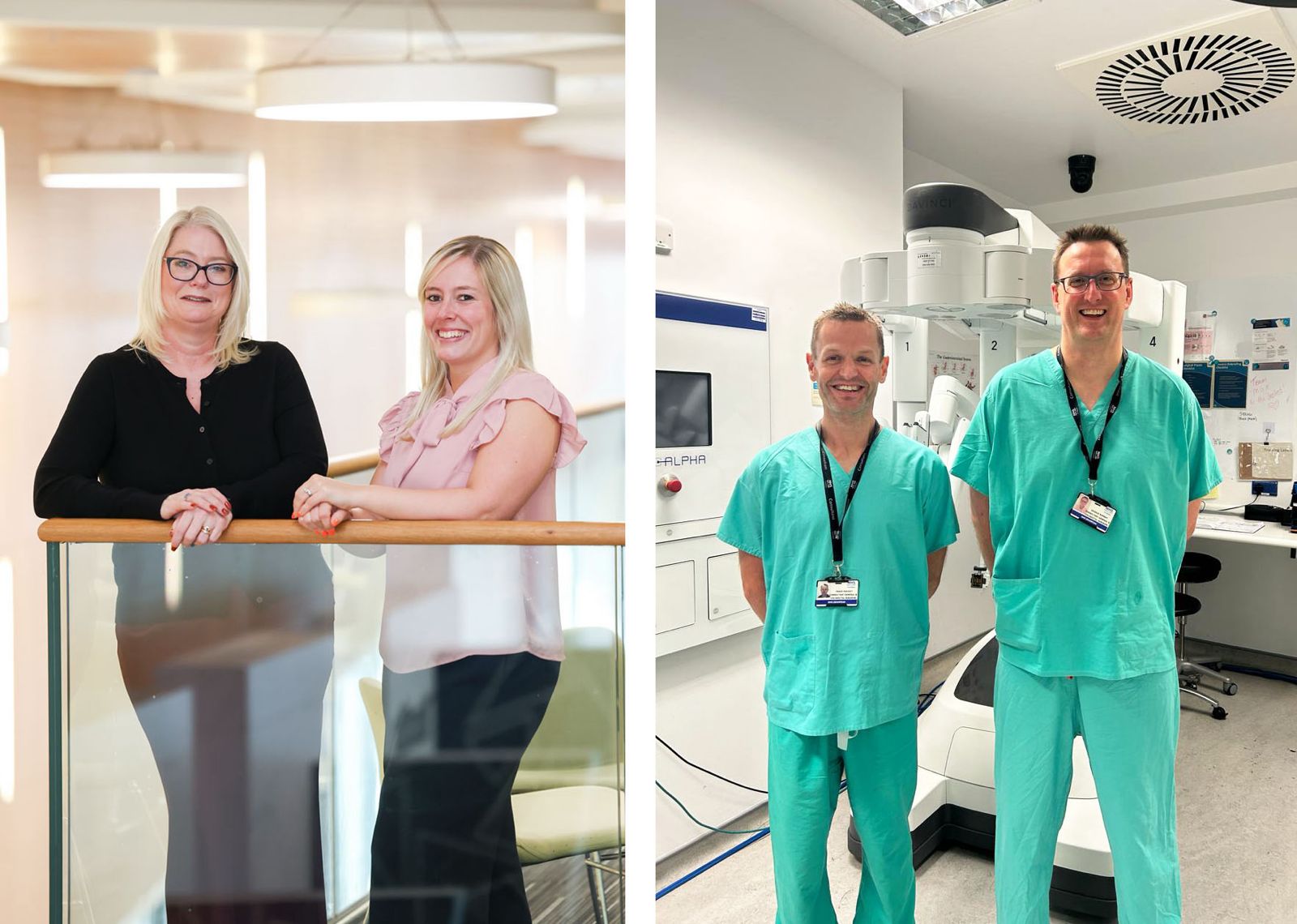
Sara Sinclair, senior business system support engineer at VisitScotland, said: “The huge strides in artificial intelligence and the opportunities it presents for us and the sector to connect with visitors is really inspiring. Responsible AI adoption is integral to achieving our strategic goals, including driving spend, spread, sustainability, and satisfaction.
“From real-time chatbots and itinerary planning, to content creation and data analysis, there are many ways that AI can shape the visitor experience and support businesses. As with all new advancements there can be risks, particularly around how generative AI can produce content, and that’s why we’ve focused on an AI travel planning assistant in our Futurescot AI Challenge submission.”
She added: “Trusted information is essential to powering AI and we want to showcase a product that can deliver multilingual, inspirational, and tailored visitor experiences that align with our goals to encourage the regional and seasonal spread of tourism.”
In healthcare, NHS Grampian proposes using AI to tackle a bottleneck in the colorectal cancer care pathway. Currently, GP referrals must be manually reviewed by specialists to determine urgency, a process that can delay treatment for patients who need it most.
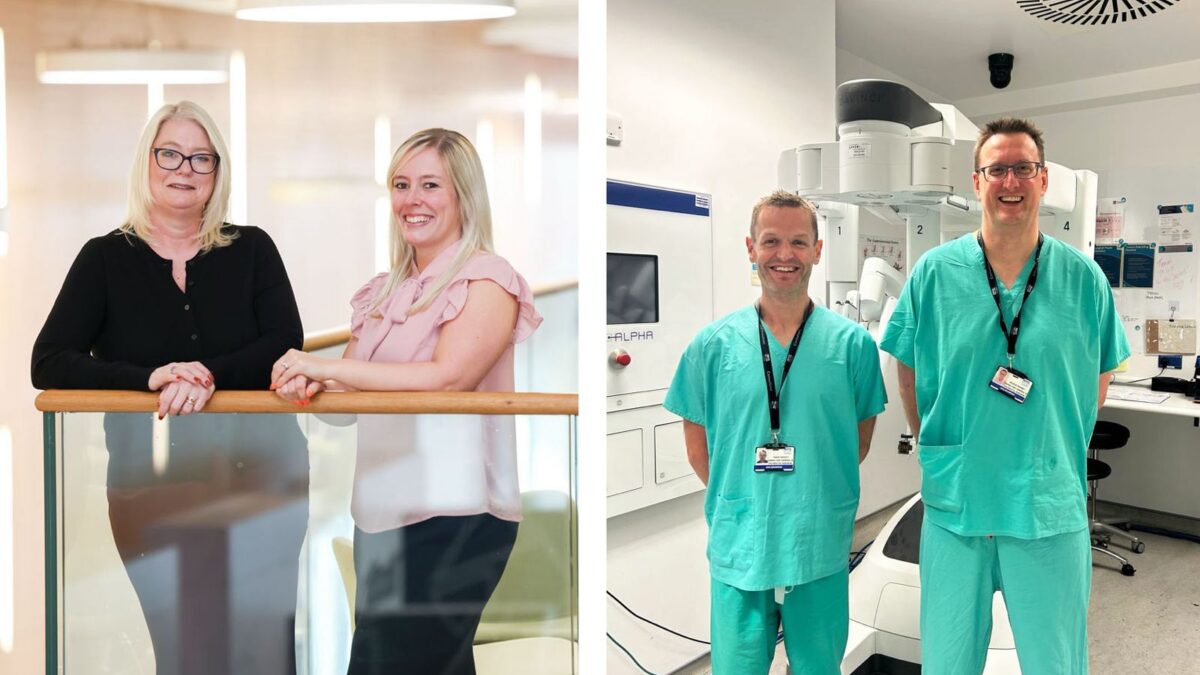
Dr Matthew Newman, a paediatric surgeon and healthtech consultant working with NHS Lothian, and who is part of the Grampian consortium, said: “Our AI-powered colorectal cancer triage tool addresses a critical bottleneck in the cancer care pathway.
“Currently, GP referrals must be manually reviewed by specialists to determine urgency – a time-consuming process that can delay treatment for those who need it most. By using AI to support this initial assessment, we can dramatically speed up the process while improving consistency across clinicians and health boards.
“For patients, this means faster identification of high-risk cases and reduced waiting times. They’ll experience less anxiety through quicker initial triage and a more streamlined journey from referral to specialist appointment. For NHS Grampian clinicians, the tool saves significant time on administrative triage work, allowing specialists to focus on direct patient care. We hope to be able to use this tech to create a scalable model that could extend to other cancer pathways across NHS Scotland.”
Newman added: “We’re absolutely thrilled to be finalists in this competition. This represents a genuine opportunity to demonstrate that AI can be a force for good in public healthcare when implemented responsibly and ethically. Colorectal cancer is the third most common cancer in Scotland, and early detection dramatically improves outcomes. If we can help even a handful of patients get diagnosed and treated faster, that’s lives changed.
“We’re excited to show that responsible AI in healthcare means keeping humans in control, being transparent about how the system works, and building trust through rigorous validation and continuous monitoring.”
At the local government level, Dumfries and Galloway Council is exploring AI to improve services for citizens. Its AI-powered triage and response system for revenues and benefits has already demonstrated the ability to reduce workloads, accelerate response times, and deliver more personalised services.
Lorna Campbell, revenues and benefits manager at the council, said: “Artificial intelligence gives Dumfries and Galloway Council a great opportunity to improve our services, work more efficiently and achieve better outcomes for our communities. “We have already begun exploring AI through an AI-powered email triage pilot project and by taking part in the Futurescot AI Challenge.”
She added: “These projects have shown that AI can reduce manual workloads, speed up response times and provide more personalised, proactive services – especially in areas such as revenues and benefits. All these efforts support our wider ambition to modernise public services and help our region grow through innovation.”
The Futurescot AI Challenge isn’t simply celebrating innovation; it’s having a real impact on the frontline. Last year’s winner – NHS Forth Valley – is now moving from a “proof of concept” to full adoption of an AI-powered complaints handling tool, to better manage and learn from the data from patient feedback and complaints, potentially freeing up staff time to support patients and families.
More widely, there is now a rapidly growing Scottish AI Register, where public sector agencies can list how they are using the technology across a range of services. A proof of concept to test whether Amazon Translate can reliably and accurately translate Social Security Scotland letters and notifications was recently added to the register, as was Decisions for Microsoft Teams – an AI tool designed to streamline meeting management and decision-making processes across government and public sector organisations.
According to a study by the Alan Turing Institute, nearly half of UK public sector professionals are aware of generative AI in their work, and a fifth are actively using it, suggesting a growing engagement with technologies that can transform service delivery.
The flurry of recent additions to the Scottish AI Register suggests that this awareness is quickly converting into a willingness to adopt the tools to carry out that transformation. From speeding up life-saving decisions in healthcare to modernising local government and creating seamless visitor experiences, AI – as illustrated by this year’s Challenge – is gaining traction within Scotland’s public services.
The public sector is showing that with careful, responsible implementation, it is possible to deliver smarter, faster, and more equitable services while keeping humans at the centre of decision-making.
AI productivity gains for public sector
- A UK Government trial found that using generative AI such as Microsoft 365 Copilot to assist with everyday tasks – including drafting documents, summarising lengthy emails, updating records and preparing reports – saved users an average of 26 minutes per day. That adds up to nearly two weeks of time saved per year per person, delivering a significant productivity boost when scaled across the public workforce.
- Generative AI could save the UK public sector £38bn a year by 2030, according to a Public First report commissioned by Google Cloud.
- The Future Trends for Scotland 2024-25 report highlights that AI is likely to have an important role in public sector service delivery, especially in healthcare and education reforms.
The winner of the Futurescot AI Challenge will be announced on Wednesday, 19th of November at Digital Scotland.