
A programme that aims to ‘digitally include’ people affected by drug addiction has secured £783,150 in funding to continue and extend its work as new figures showed drug deaths rose in Scotland by 8% last year.
Digital Lifelines Scotland is an award-winning national programme that seeks to reduces the risk of harm and death amongst people who use drugs through digital inclusion.
The programme is delivered by the Digital Health & Care Innovation Centre (DHI) in partnership with the Scottish Council for Voluntary Organisations (SCVO) and Simon Community Scotland, the largest provider of homelessness services in Scotland.
Digital Lifelines Scotland (DLS) is also supported by NHS National Services Scotland (NSS) and the funding is for 2026/27, with further programme activities planned for delivery over the following year, subject to funding confirmation.
Professor Margaret Whoriskey MBE, head of innovation for care & wellbeing at DHI, said: “This funding reflects the genuine impact Digital Lifelines Scotland is having on people’s lives.
“In this next phase we are building on everything we have learned to go further – reaching into rural communities, supporting the families behind every recovery journey, and changing how services across Scotland think about digital as a tool for keeping people safe. The evidence is clear that this work saves lives, and we are proud to be able to continue it.”
Maree Todd, drugs and alcohol policy minister, said: “I’m pleased to announce the Scottish Government is investing in Digital Lifelines Scotland again. Community support is vital to recovery and the programme has helped thousands of people to get online and is playing a vital role in helping to build communities around those who may not find it easy to seek support in traditional ways.
“Digital inclusion is critical to ensuring people can access the right support at the right time. These devices give people a lifeline, helping them stay connected with friends, family, and support networks. They also open the door to essential services, making it easier to get help when it’s needed most.”
Now in its third phase, the programme is going further than ever before – embedding digital inclusion directly into local systems of support through Alcohol and Drug Partnerships (ADPs), extending its reach to the families of people in recovery, and developing a new approach to digital harm reduction training that is already attracting interest from services across Scotland and beyond.
Since its creation in 2021, DLS has supported 5,900 people, distributed 3,228 digital devices, provided 3,992 connectivity packages and trained 587 staff and volunteers in digital inclusion across Scotland, delivered by partners across Scotland.
An independent evaluation of the programme found “significant results”, demonstrating improvements in digital inclusion, access to services, wellbeing and harm reduction for the people and communities involved. Evidence gathered through DLS is now directly influencing how ADPs commission and design services, embedding digital inclusion within Scotland’s wider drug and alcohol policy response.
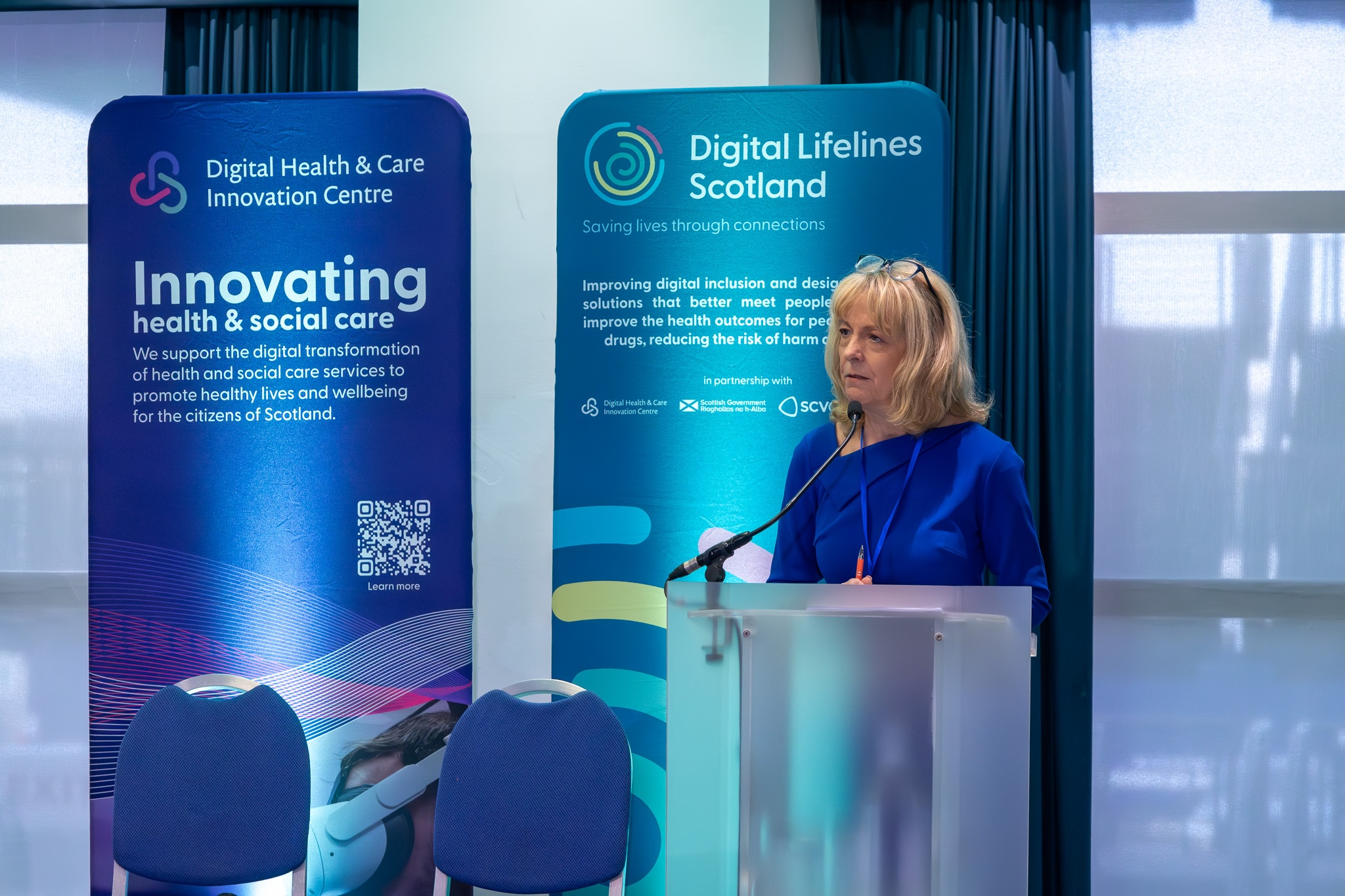
The new funding was announced at the third Digital Lifelines Scotland Conference, held at Murrayfield Stadium in Edinburgh yesterday. The national conference brought together partners, practitioners and people with lived and living experience to spotlight the latest phase of the programme and explore community-driven digital approaches to reducing drug-related harm across Scotland.
Improving Lives
The difference the programme makes is illustrated by Sam, 54, from Dalmellington in rural East Ayrshire. Facing addiction recovery, missed health appointments and food insecurity, Sam had few local services within reach and rural transport barriers made accessing support feel impossible.
Through The Zone – a local partner funded through DLS – Sam received blended in-person and digital support from a peer outreach worker. He began building structure into his week, grew confident attending appointments and developed digital skills that allowed him to shop online, manage his own needs and stay socially connected even when travel was not possible.
Sam went on to train as a lived experience data collector for the programme and now volunteers alongside his peer outreach worker, offering support and encouragement to others at the start of their recovery journey.